Hungry Ghost Festival 2026: When Chinatown Feeds the Spirits, from Getai Stages to Burning Paper Offerings
During the seventh lunar month, from 13 August to 11 September 2026, Chinatown Singapore transforms into something quieter and stranger than its usual self. The Hungry Ghost Festival, or Zhong Yuan Jie, marks the period when the gates of the underworld are believed to open and spirits roam the living world. For visitors, it is the one time of year when Chinatown trades its commercial energy for ritual and performance.
The main festival day falls on 27 August 2026, the 15th day of the seventh lunar month. But the rituals stretch across the full month, and Chinatown is one of the most active neighbourhoods on the island during this period. Temples hold extended prayer sessions. Shops put out roadside altars with incense, fruit, and paper offerings. In the evenings, getai stages appear on empty lots. The air smells of burnt joss paper.
Getai: Song Stages for the Living and the Dead
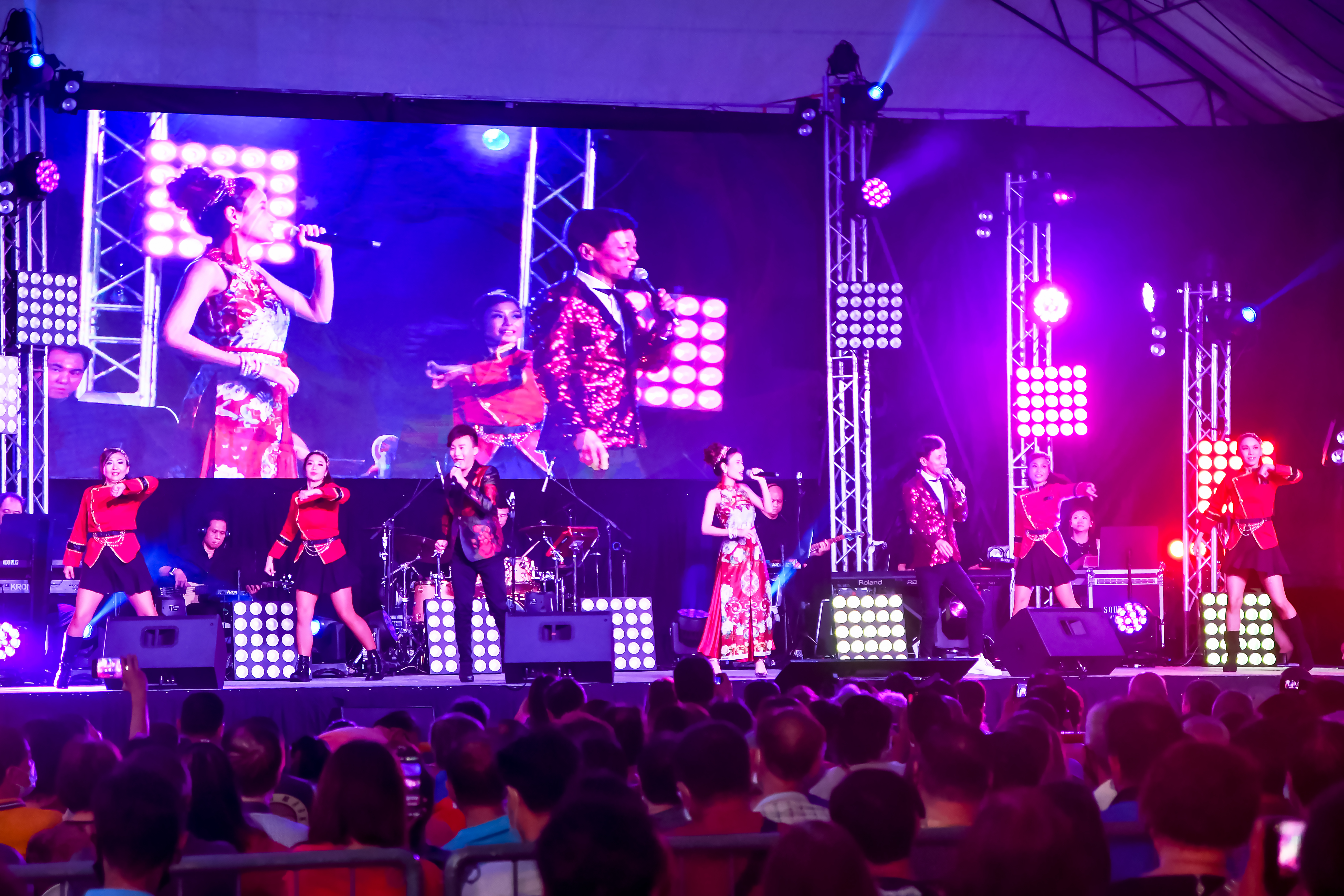
Getai, which translates literally to "song stage", is the loudest and most visible part of the festival. Temporary stages are erected in open spaces around Kreta Ayer and the wider Chinatown area, with performances running nightly. The entertainment is a mix of Hokkien dialect songs, Mandarin pop covers, comedy sketches, and theatrical skits. Some nights lean traditional. Others feel closer to a variety show.
The front row of seats at every getai performance is left empty. Those seats are reserved for spirits. It is a custom visitors should respect: do not sit in the front row, and do not move the chairs. Photography is fine from the back and sides at public getai shows, and many performances are designed to be watched casually. The stages are brightly lit with LED screens backing the performers. The crowd swells after dinner, roughly 8pm onwards.
Getai schedules are published closer to the date on community notice boards and temple bulletins in Chinatown. The Chinatown Complex area, the open square near Kreta Ayer, and the lanes around Smith Street are reliable places to find stages.
Wayang and the Older Tradition
Before getai became the dominant form of entertainment, Hungry Ghost month was the season of wayang, or Chinese opera. Some troupes still perform in Chinatown during the festival, setting up temporary stages near temples and clan associations. The performances are long, stylised, and sung in dialect. The costumes are elaborate, and the music comes from a live ensemble of Chinese instruments: erhu, gongs, clappers, and suona.
Wayang audiences tend to be smaller and older, but the performances are free and open to the public. Bringing a fan and insect repellent is practical advice. The shows often start around 7:30pm and run past 10pm. If you have never seen Chinese opera before, Hungry Ghost month is the easiest time to encounter it without buying a ticket.
Offerings, Altars, and What to Avoid
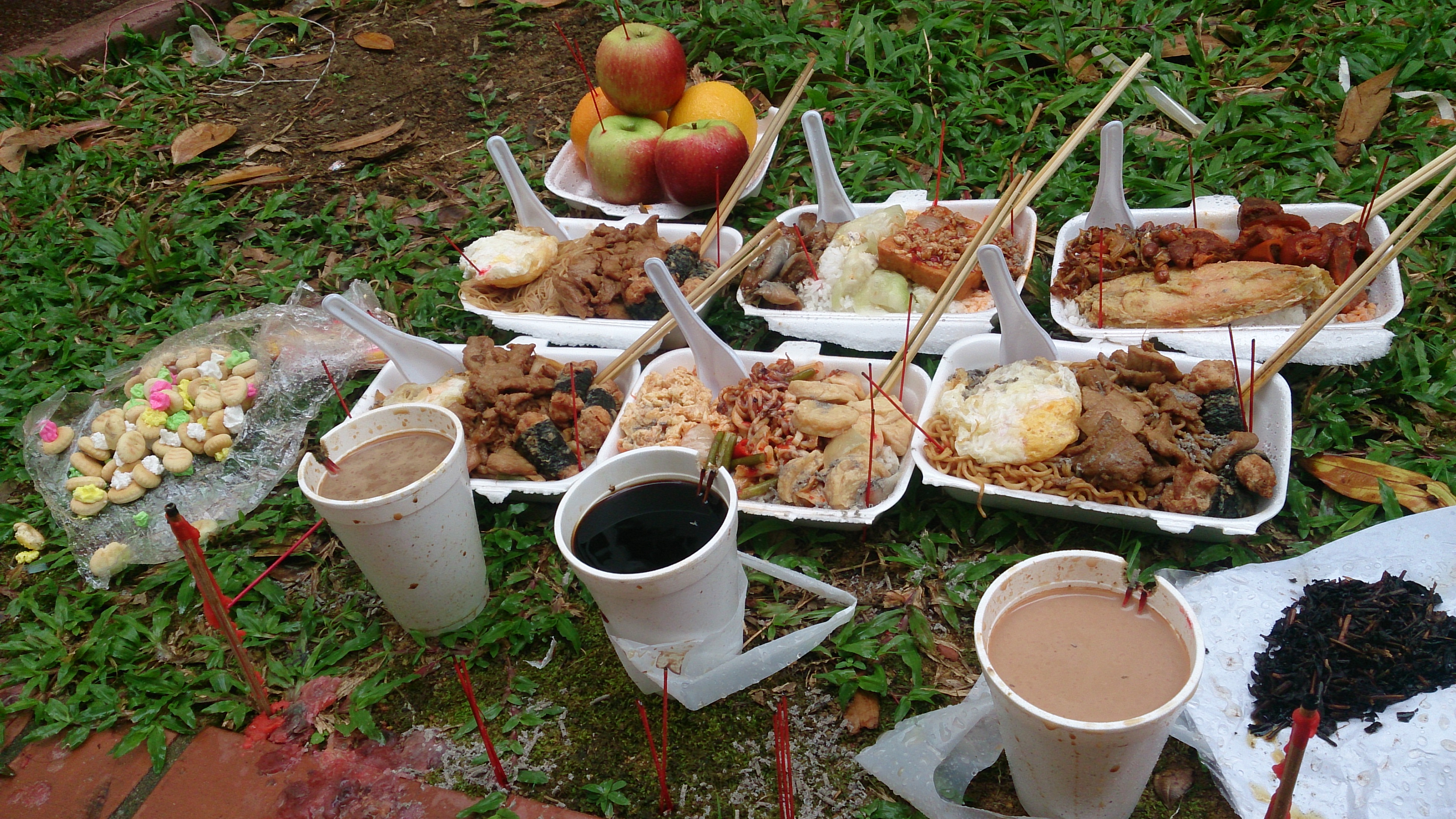
Throughout the month, you will see small altars set up outside shops, restaurants, and temple gates. These hold fruit, rice, tea, and joss sticks. In the evenings, metal cages are wheeled onto the street for burning joss paper, also called hell money. People burn paper effigies of houses, cars, phones, and clothing so their ancestors can use them in the afterlife.
The paper items are sold at shops throughout Chinatown, particularly around the Chinatown Complex and along New Bridge Road. The craftsmanship of these paper goods, miniature suits, paper iPhones, detailed paper houses, is worth a closer look even if you do not buy anything.
There are a few things to avoid. Do not step on offerings placed on the ground, even if they look like rubbish. Do not kick the metal cages used for burning. Avoid whistling at night, which is believed to attract spirits. Do not open an umbrella indoors. These superstitions are taken seriously by many residents. Following them is a simple matter of respect.
Where to Experience It in Chinatown
The Chinatown stretch from Kreta Ayer to Telok Ayer is the densest concentration of festival activity. Start your evening at the Buddha Tooth Relic Temple on South Bridge Road, which extends its prayer hours during the month. Walk north toward Smith Street and Chinatown Complex. The open square at Kreta Ayer Square frequently has stages, altars, and communal dinners.
Auction dinners are another tradition tied to the festival. Temples and clan associations host these meals as fundraisers, with dishes auctioned to guests. They are ticketed and often sold out weeks in advance. If you know someone involved with a Chinatown clan association, this is the time to ask about a seat.
If Chinatown feels too quiet on any given night during the month, Geylang to the east runs the largest getai shows in Singapore. But for the full sensory experience, incense, opera, altars, and the smell of burnt paper mixing with hawker food, Chinatown offers the densest concentration in the smallest walkable area.
Practical Details
- Ghost Month 2026: 13 August to 11 September 2026 (seventh lunar month)
- Main Festival Day: Thursday, 27 August 2026 (15th day of seventh month)
- Key Areas: Kreta Ayer Square, Smith Street, Chinatown Complex, South Bridge Road temples
- Nearest MRT: Chinatown (NE4/DT19), Maxwell (TE18), Telok Ayer (DT18)
- Getai Performances: Nightly from ~8pm, free admission, schedules posted at temples
- Wayang (Chinese Opera): Selected nights near temples, free, usually 7:30pm to 10pm+
- Photo Etiquette: OK at public getai; ask permission at temple ceremonies; flash discouraged
- DO NOT: Step on offerings, sit in front-row seats at getai, whistle at night, disturb burning cages
- Where to Buy Offerings: Shops near Chinatown Complex and New Bridge Road